Product Quality: Seal Integrity Testing Methods
Is your product's packaging reliable? Are you 100% confident that your product's packaging is transportable and eliminates any concern for spills or contamination?


Is your product's packaging reliable? Are you 100% confident that your product's packaging is transportable and eliminates any concern for spills or contamination?
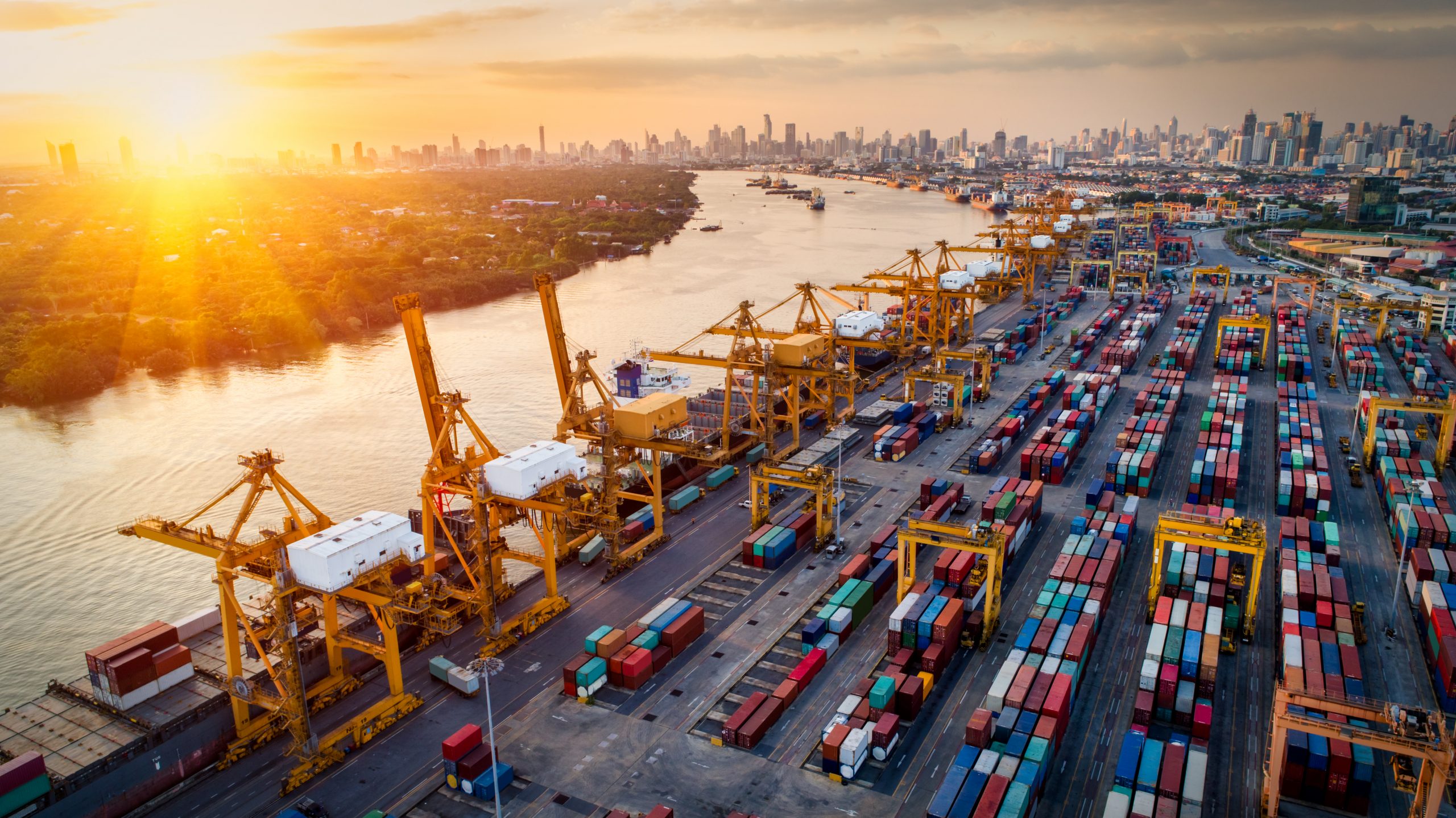
There are many moving parts within a supply chain, which is why efficiency is critical. How well do you understand your supply chain? Does your supply chain function seamlessly? Or, do you notice interruptions are preventing your business from reaching its fullest potential? Recognizing supply chain disruptions and their effect on your business is a crucial step in establishing a prevention plan. Whether it’s a global pandemic or your product container gets lost at sea, how will your company respond?
Germs. They’ve been a part of our lives long before COVID-19 decided to make its debut. While the information on how to handle this highly infectious virus may continue to change, one thing will remain constant: regular hand washing is the most effective way to prevent the spread of infection or germs.
When individuals or businesses choose to invest in certifications, they commit to that industry and their company. Certificates provide an opportunity for companies and employees to separate themselves from their competitors and proactively develop skills and expertise in a particular area of that industry. As regulations and standards are continuously evolving, certifications allow businesses and individuals to stay current and efficient. Certificates are an opportunity for companies and individuals to expand their knowledge and establish credibility with consumers, their company, and their industry.
The term "packaging" carries a lot more weight than most people think. From glass containers and PET bottles to cardboard boxes and bubble wrap, it's simple: packaging is any material that is used to protect your goods. Whether the packaging is used as a container for liquids or used to ensure the safety of goods in transit from one place to another, packaging plays a significant role in global supply chains. Consequently, with substantial growth in e-commerce and logistics, transport packaging continues to evolve.
Businesses are working tirelessly to find production capacity in factories, while simultaneously, lead times continue to increase. With a lack of factory capacity, some companies are experiencing many frustrations in the manufacturing world. What should we expect in 2021? What products are experiencing these outlandish lead times?
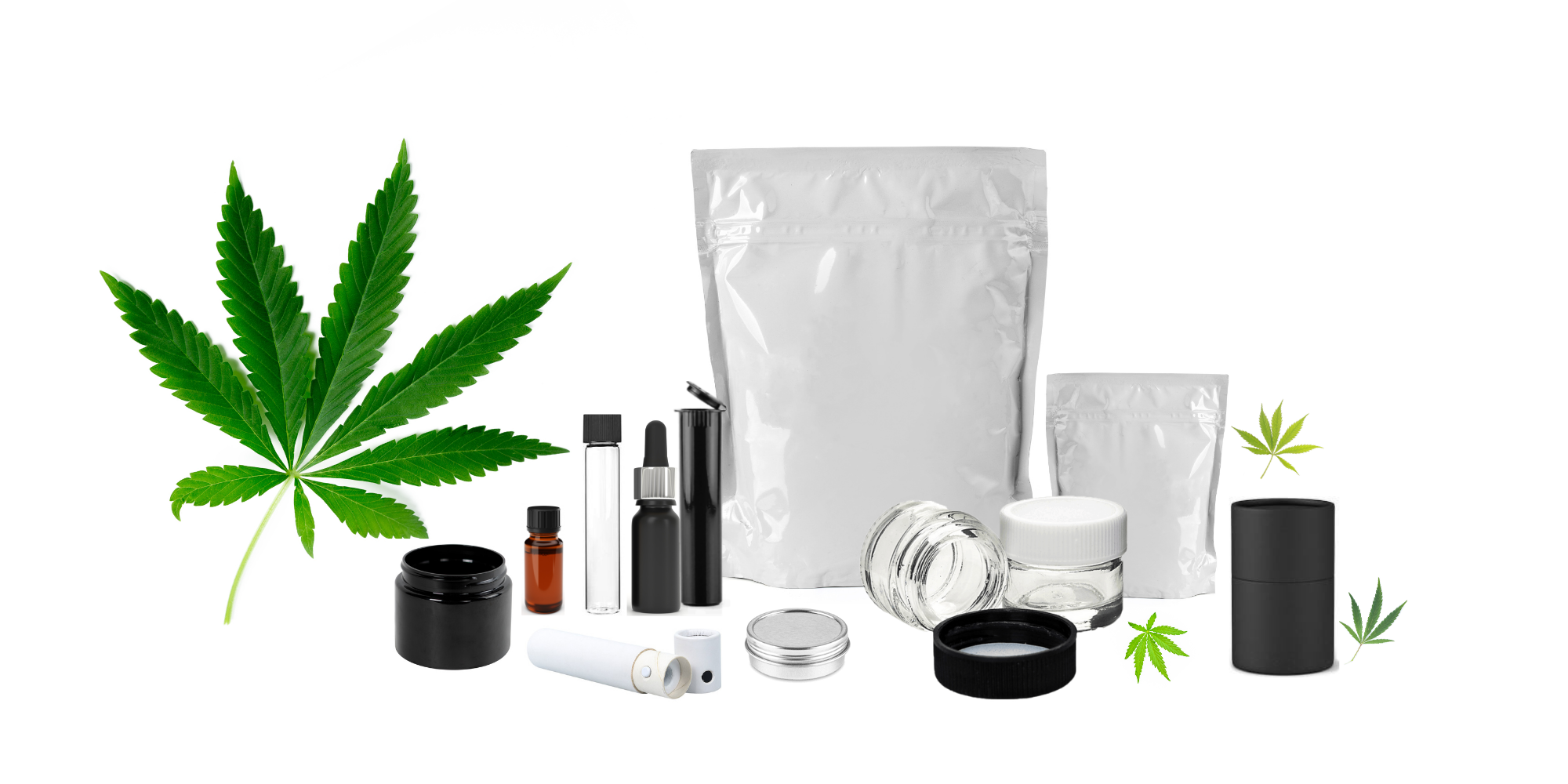
What’s the difference? Packaging is an essential in preserving and keeping your cannabis product fresh and secure, but what works best for one product may be different than what works for another. We’re here to help guide you and answer those questions...
2020 has systematically disrupted even the most impenetrable supply chains. Initial fears of short-term shock waves have faded and seem insignificant now that a global pandemic has shifted the way the world manufactures, buys, and delivers goods. Covid-19 has caused an exponential interception in global economies and has become the achilles heel of even the most sustainably developed supply chains internationally. Initial lock-downs provoked consumers to panic buy essential items and necessities but with border closures and airspace restrictions, supplying the demand posed challenges and re-stocking empty shelves became more tedious.
Covid has tested the resilience of companies globally and has challenged the way companies operate and deliver on an international scale. Supply chains have been strained and entire industries have been forced to recalibrate their strategies. 2020 is a new era, and with any monumental economic shift comes potential opportunistic growth and possibilities. Adaptation to a volatile environment is going to be the future of success in challenging markets.
When new policies are enacted, this can cause a series of logistical repercussions that can result in a plethora of operational pitfalls. Many businesses become stagnant when it comes to evolving and adapting to global trade volatility. While pausing to re-assess and evaluate a new redefined approach that is optimal for a businesses’ longevity this can cause a business to succumb to global competition.